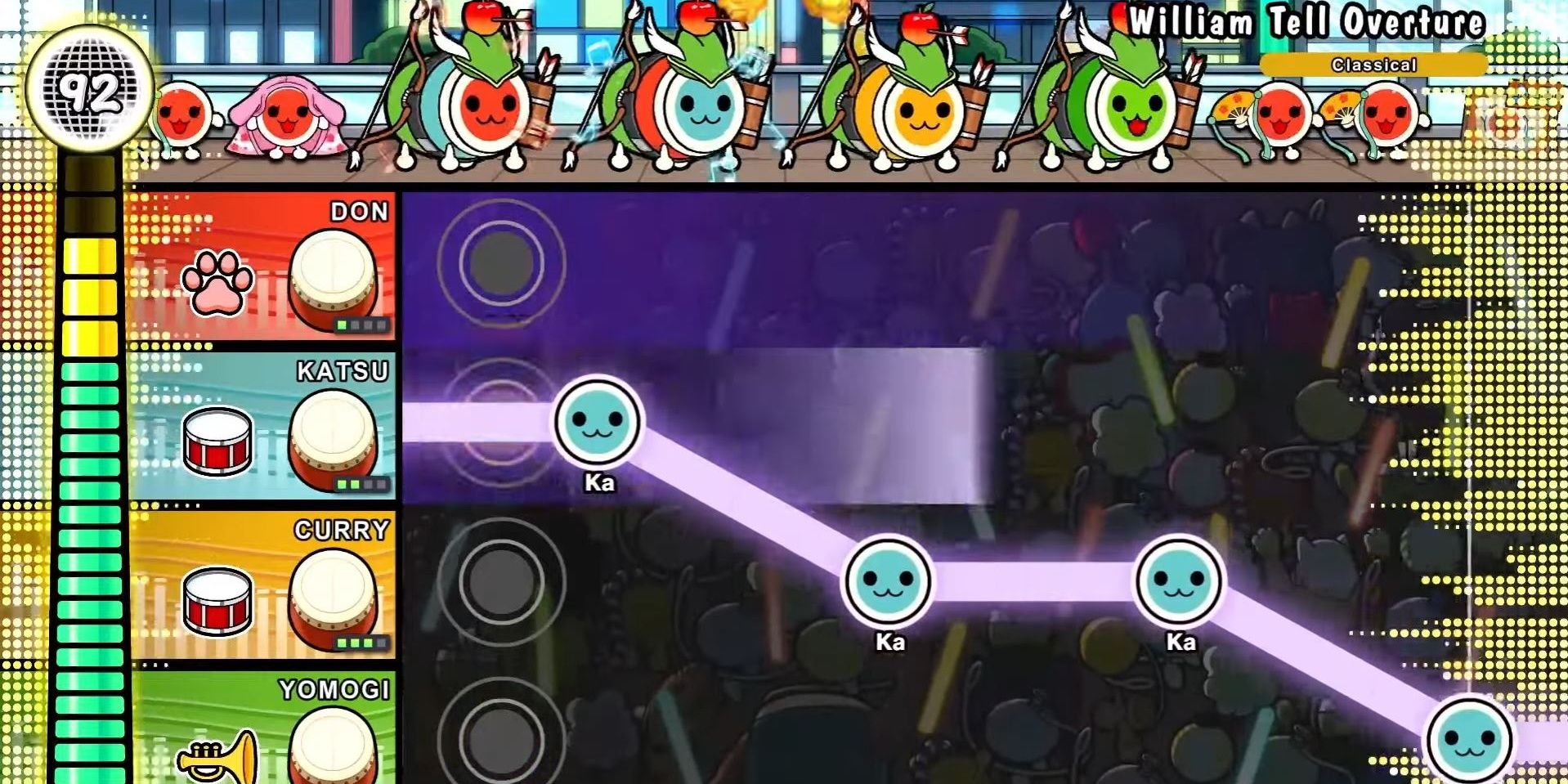
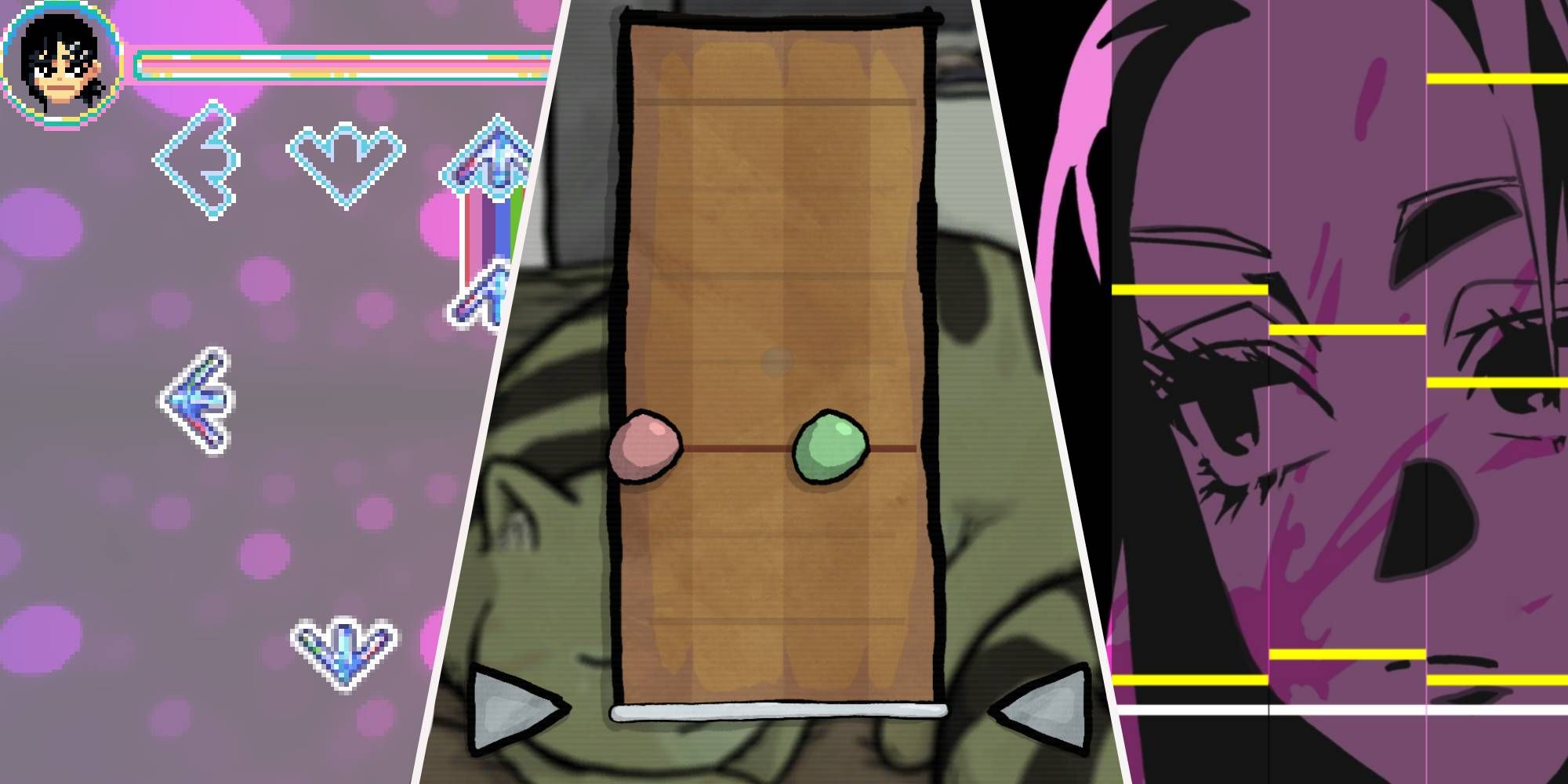
Many people wonder whether diving into the vibrant world of rhythm games genuinely sharpens their sense of timing and overall rhythmic ability. This question often pops up for musicians, dancers, or anyone simply curious about boosting their cognitive functions in a fun, interactive way. Exploring the mechanics behind games like Beat Saber, Guitar Hero, or Dance Dance Revolution reveals a fascinating connection between engaging with virtual beats and developing real-world rhythmic precision. We're talking about more than just button mashing; it's about synchronizing actions with auditory and visual cues, a process that inherently trains your brain's ability to perceive, anticipate, and execute rhythmic patterns. This deep dive will uncover how these popular digital pastimes are becoming an unexpected tool for enhancing a fundamental human skill, making the journey to better rhythm both enjoyable and incredibly effective for countless individuals across the United States and beyond, proving that entertainment can truly be educational.
Ever wondered if those hours spent hitting notes in sync with pulsating beats are actually doing something for your internal clock? You're not alone! Many individuals, from aspiring musicians to casual gamers, ask if playing rhythm games improves rhythm. The answer, as we'll discover together, is a resounding yes, and understanding why and how this happens can truly change your perspective on gaming as a beneficial activity. These interactive experiences, where players match actions to on-screen prompts timed to music, actively engage our auditory and motor systems, fostering a heightened sense of timing and coordination. People across all age groups, who spend time regularly engaging with titles like Beat Saber or Rock Band, often find themselves developing a more acute awareness of musical phrasing and an improved ability to maintain a consistent tempo. This fascinating blend of entertainment and cognitive training occurs almost effortlessly as players strive for higher scores, making the learning process engaging rather than a chore. It’s a compelling journey that shows us how play can be a powerful pathway to skill development, demonstrating that the 'who' (anyone), 'what' (rhythm games), 'when' (consistent play), 'where' (anywhere), 'why' (to improve timing and coordination), and 'how' (through synchronized action) all lead to real, measurable benefits.
H2. How Do Rhythm Games Improve Rhythm and Timing? The Power of Play for Your Beat
Playing rhythm games undeniably sharpens your sense of timing and overall rhythm, offering a truly engaging and effective training ground for these essential musical and cognitive skills. When you immerse yourself in a rhythm game, you are constantly reacting to visual or auditory cues, compelling you to synchronize your actions precisely with the beat and melodic flow presented on screen. This continuous cycle of listening, predicting, and executing within a tight timeframe actively hones your internal clock, training your brain to anticipate and respond with greater accuracy. Regular engagement cultivates a more robust connection between what you hear and how your body reacts, transforming abstract concepts of beat and tempo into tangible, responsive actions. It's a dynamic process that builds muscle memory not just in your hands, but also in your auditory processing centers, establishing a fundamental understanding of rhythmic patterns that transcends the game itself. You'll find yourself tapping your foot to music more accurately, perhaps even noticing subtle shifts in tempo in everyday sounds, demonstrating a heightened awareness of the world's natural cadences, which is quite an incredible benefit from playing games. This repeated exposure and successful execution of complex rhythmic sequences solidify neural pathways, making your rhythmic responses faster, more precise, and instinctively correct over time, leading to tangible improvements in both casual and serious musical pursuits.
H3. Why Do Rhythm Games Improve Rhythm Skills So Effectively?
The effectiveness of rhythm games in improving rhythm stems from their core design, which provides immediate feedback and encourages continuous self-correction, much like a good music teacher. Each missed note or mistimed action offers instant information, allowing players to quickly adjust their timing and strategy for the next attempt. This constant loop of action-feedback-adjustment is a potent learning mechanism that reinforces accurate rhythmic responses while gently correcting errors. Moreover, these games present rhythm in a highly structured and progressively challenging environment, starting with simpler patterns and gradually introducing more complex sequences. This gradual escalation ensures that players are always pushed just beyond their current comfort zone, fostering consistent growth without becoming overwhelming. The engaging visuals and catchy soundtracks also play a crucial role, keeping players motivated and focused, which are vital components for sustained learning and skill development. It is this combination of immediate feedback, structured progression, and high engagement that makes rhythm games an incredibly powerful tool for refining one's sense of rhythm and timing, making it fun to improve at something often perceived as challenging.
H3. What Specific Skills Do Rhythm Games Improve Rhythmically?
Beyond just hitting notes, rhythm games cultivate a suite of specific skills crucial for robust rhythmic proficiency. These include developing a stronger internal pulse, the ability to maintain a steady tempo even through complex sections, and improving synchronization between auditory perception and motor execution. Players actively train their anticipation skills, learning to predict upcoming patterns and prepare their actions accordingly, which is essential for any performance-based activity. Furthermore, these games enhance pattern recognition, allowing individuals to quickly identify and respond to recurring rhythmic motifs. This comprehensive training extends to improving reaction time, as players must process visual or auditory information and execute precise movements within milliseconds. The consistent demand for precision in timing across varying tempos and rhythmic complexities essentially acts as a sophisticated gym for your rhythmic faculties, ensuring that all these interconnected skills develop harmoniously. This comprehensive workout ensures that your brain and body become more attuned to the intricacies of rhythm, making you a more responsive and capable individual in any rhythm-demanding task, from dancing to simply walking in sync.
H2. People Also Ask: Do Rhythm Games Improve Rhythm?
H3. Do Rhythm Games Help with Timing?
Yes, absolutely! Rhythm games are excellent for sharpening your timing because they demand precise actions synchronized with music. You constantly adjust your movements based on visual and auditory cues, which trains your brain to anticipate and react with greater accuracy.
H3. Can Rhythm Games Improve Musicality?
Indeed, rhythm games can significantly improve musicality by enhancing your understanding of rhythm, tempo, and beat recognition. Playing them helps you internalize musical structures, making you more attuned to the subtle nuances of songs and overall musical flow.
H3. Are Rhythm Games Good for Your Brain?
Yes, rhythm games are beneficial for your brain, engaging multiple cognitive functions. They boost focus, attention span, working memory, and decision-making skills, as you must process information quickly and execute actions precisely under pressure.
H3. What Games Improve Rhythm?
Many popular titles excel at improving rhythm, including Beat Saber, Guitar Hero, Rock Band, Dance Dance Revolution, Osu, and Thumper. These games all require players to synchronize their actions with musical beats, directly training rhythmic ability.
H3. How Do Rhythm Games Train Your Brain?
Rhythm games train your brain by creating a continuous loop of auditory and visual processing, motor planning, and execution, followed by immediate feedback. This process strengthens neural pathways related to timing, coordination, and rapid decision-making, improving overall cognitive agility.
H3. Do Rhythm Games Help with Hand-Eye Coordination?
Certainly! Rhythm games are fantastic for improving hand-eye coordination. They require players to accurately process visual information and translate it into precise physical movements, often at high speeds, which directly strengthens the connection between sight and action.
H3. Can Playing Rhythm Games Reduce Stress?
For many, rhythm games offer a wonderful way to reduce stress. The immersive nature and focused concentration required can provide a meditative escape, allowing players to momentarily forget daily worries and enter a state of flow that is both engaging and calming, proving beneficial for mental well-being.
H2. The Unseen Benefits: Beyond Just Hitting the Beat with Do Rhythm Games Improve Rhythm
While the primary benefit of rhythm games is undoubtedly their capacity to improve rhythm, their influence stretches far wider, touching upon various aspects of cognitive function and even physical coordination. Think about it: when you're deeply engrossed in a fast-paced rhythm game, your brain is performing an impressive symphony of tasks simultaneously. You're not just listening to music; you're actively processing visual cues, planning your movements milliseconds in advance, executing those movements with precision, and instantly analyzing the feedback to adjust your next action. This intense mental workout significantly enhances your reaction time, making you quicker to respond not just in-game, but potentially in everyday situations. Furthermore, the sustained focus required to conquer challenging levels can noticeably boost your attention span and concentration, skills that are invaluable in academic pursuits, professional work, and even simple conversations. It’s a holistic cognitive training experience disguised as pure entertainment, demonstrating that the seemingly simple act of playing can have profound, far-reaching effects on your overall mental dexterity and physical responsiveness, contributing to a sharper, more agile you.
| Aspect of Rhythm | How Rhythm Games Contribute | Impact on Player |
|---|---|---|
| Timing Precision | Require exact input on beat | Develops acute sense of beat and tempo |
| Hand-Eye Coordination | Synchronize visual cues with physical actions | Improves responsiveness and motor control |
| Auditory Processing | Listen for musical cues and patterns | Enhances ability to distinguish and follow rhythms |
| Reaction Time | Respond quickly to rapidly changing prompts | Shortens time between perception and action |
| Focus & Concentration | Sustained attention needed for high scores | Boosts mental endurance and attention span |
| Pattern Recognition | Identify recurring rhythmic sequences | Strengthens cognitive ability to anticipate |
| Overall Musicality | Internalize diverse musical structures | Fosters a deeper understanding and appreciation of music |
H2. The Journey to Better Rhythm: Your Path with Do Rhythm Games Improve Rhythm
Embracing rhythm games as a tool for personal development is an empowering choice, offering a unique blend of challenge and reward. You are not merely passing time; you are actively investing in your cognitive and motor skills, building a foundation for improved performance in music, dance, sports, and even daily tasks requiring precise timing. Imagine approaching a new musical instrument with a naturally heightened sense of rhythm, or moving with greater grace and coordination on the dance floor, all thanks to your digital adventures. The confidence you gain from mastering complex rhythmic challenges within a game can translate directly into real-world scenarios, making you feel more capable and self-assured. This journey is accessible to everyone, regardless of prior musical experience or natural talent. It simply requires a willingness to engage, to learn from mistakes, and to enjoy the process of continuous improvement. So, pick up that controller, tap to the beat, and embark on your own exciting quest to unlock a more rhythmic, more responsive, and more confident version of yourself. Your improved rhythm and coordination await, ready to empower you in countless ways, proving that the screens in our lives can be much more than just distractions; they can be powerful tools for growth and personal mastery.
In conclusion, the widespread interest in whether rhythm games improve rhythm is entirely justified. Evidence strongly suggests that consistent engagement with these dynamic digital experiences enhances timing, coordination, and various cognitive skills. By providing immediate feedback and a progressively challenging environment, rhythm games offer an engaging and effective platform for individuals to sharpen their rhythmic abilities, extending benefits into musicality, daily tasks, and overall brain health. This makes them a valuable and enjoyable tool for anyone looking to boost their internal sense of beat and timing.
rhythm games improve rhythm, rhythm games benefits, enhance timing skills, music game coordination, cognitive benefits of rhythm games, beat matching games, improve musical timing, rhythm video games, hand-eye coordination games, reaction time games, focus improvement games, rhythm game research, rhythm game educationRhythm games enhance timing and beat perception; they improve hand-eye coordination and reaction time; these games can boost cognitive functions like focus; they offer a fun, low-pressure way to practice rhythm; playing regularly builds auditory processing skills; the benefits extend to musicality and daily activities.
TOP 10 Best Rhythm Games For Android IOS Part 5 YouTube Hqdefault The Best Rhythm Game For Teaching Rhythm Skills Melody Payne Music The Best Rhythm Game For Teaching Rhythm Skills 133x200 Rhythm Of The Dance 2026 CSB Island 2504 Rotd Some 1080x1350
10 Easy Rhythm Games Activities For Music Lessons Dynamic Music Rhythm Games And Activities For Music Lessons Best Rhythm Games List At Vikki Kearney Blog RHYTHM EN Unveiling The Rhythm And Roots 2026 Lineup Your Ultimate Guide Image 78 Improve Your Rhythm And Timing This Year Play Guitar Podcast B87bf8 785 35e2 8a B2a4b2ae5a Improve Your Rhythm And Timing This Year 348 Thumb
10 Tips For How To Improve Rhythm And Musical Timing 2022 NINEBUZZ 1200x1200 740x416 Interactive Rhythm Game School Days Rhythm Challenge Featuring Original 8340638 1 Snow Clinic Patagonia 2026 Images Trn 1 6a770af2 5d43 4266 B1f8 99 Image@2x Online Music Rhythm Games Resources Free Premium Hoffman Academy Online Rhythm Games
Top 10 Rhythm Games By On DeviantArt Top 10 Rhythm Games By Dfl3nyn Pre Rhythm Games YouTube Best Rhythm Games For Ios At Dustin Richards Blog 20 Must Try Rhythm Games On Mobile YouTube
Rhythm Games Rhythm Games Rhythm Master Speed Push Gaming Console Dance Game ChallengeHeart Rhythm 2026 HRS HRS2026 EventBanner 800x600 V2 Best Rhythm Co Op Games Ranked Taiko Cropped
Rhythm Game Tier List Just Imagine I Putted Rhythm Heaven On S BMS Rhythm Game Tier List Just Imagine I Putted Rhythm Heaven V0 Best Rhythm Games On Mobile At Millard Brochu Blog Collage Maker 09 Feb 2023 02 22 Pm The Hardest Rhythm Video Games Arcaea Best Neal Fun Games Featured Image Browser Rhythm Game
Best Rhythm Games To Play In 2025 Top Music Powered Hits Best Rhythm Games 300x168 Rhythm Game By VedesxYT GRHXYv Why Are Rhythm Games So Hard At Gail Pagano Blog 11 Rhythm Music Games From Steam Next Fest June 24 I Wishlisted 8
5 Mobile Rhythm Games You Might Not Have Played YouTube Rhythm Waves Is The New Festival That Will Debut In Praia Da Rocha In Foto Rhythm Waves Cartaz 2026 1024x682 Unit Plan 29 Grade 5 Music Rhythm Melody Games Iamborg96 Create An Image Of A Group Of Fifth Grade Students Si 37ace4ee 593c 4ab5 92b3 Where Does Michael J Fox Live Find Out In 2025 Rhythm Games
8 New Rhythm And Music Games Previewed From Steam Next Fest Feb 24 Heart Rhythm 2026 HR26 CMYK Logo With Tag Date The Best Switch Rhythm Games Rhythm Is A Gamer Best Switch Rythm Games 5 5 Ways To Improve Your Accuracy In Rhythm Games YouTube Hqdefault